Architecture and window surfaces have a decisive influence on how art is experienced in Frankfurt. Anyone looking to buy a window is not only making a technical decision, but also a design decision that influences urban spaces and interior design. Between the Museumsufer, skyscraper silhouettes and renovated old buildings, it is clear how glass surfaces direct light, open up lines of sight and bring culture into everyday life.
The most important facts in brief
- Architecture in Frankfurt is strongly characterised by large glass façades and window surfaces that make cultural institutions visible in the urban space.
- Museum buildings along the Main River make targeted use of daylight to bring art to life while protecting the works.
- When purchasing windows, thermal insulation, sound insulation and design play a central role, especially in the urban context of Frankfurt.
- Modern windows can be used to improve the energy efficiency of historic façades without detracting from their architectural character.u0022ltr">Digital planning and ordering processes make it easier to select suitable window solutions for architectural and renovation projects.
Architecture and windows as a stage for Frankfurt's cultural scene
How glass façades bring culture into urban spaces
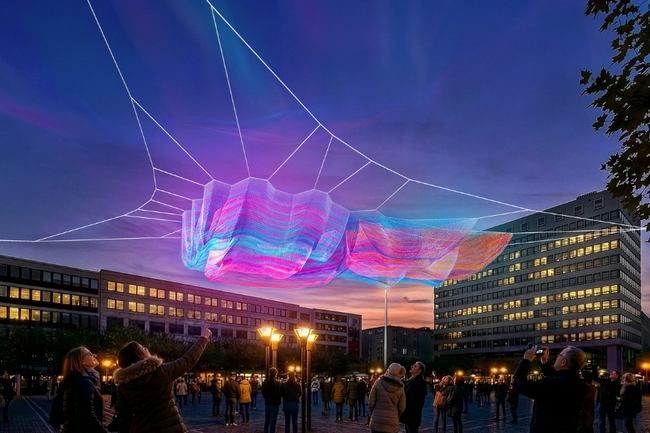
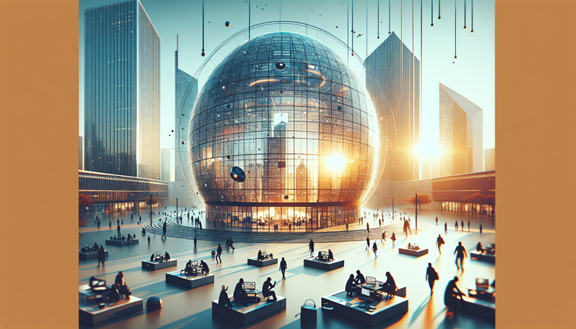
Generous glass façades turn cultural venues in Frankfurt into open stages in urban spaces. Transparent entrance areas, lobby zones and foyers allow glimpses into exhibitions, rehearsals or event preparations, symbolically lowering the threshold between inside and outside. Especially in heavily frequented places, this creates visual dialogues between passers-by and cultural institutions.
Why daylight control is crucial for museums
Careful daylight control is a central design theme for museums in Frankfurt. On the one hand, works of art require protected, often subdued lighting conditions, while on the other hand, visitors benefit from natural light and changing moods. Special window geometries, deep reveals, strip lights and skylights make it possible to use daylight in a controlled manner while limiting glare and UV exposure.
How windows define urban spaces and squares
Window formats and arrangements characterise the appearance of streets, squares and waterfront areas in Frankfurt. Rhythmically placed openings create facade images that are recognisable and facilitate orientation. In cultural quarters, illuminated windows act as visual attractions in the evening hours and symbolically extend cultural activity into the public sphere.
Buying windows: the tension between design and function
What criteria are important when buying windows in an urban environment
When buying windows in a large city such as Frankfurt, energy efficiency, sound insulation and security play a particularly important role. Multiple glazing reduces heat loss, while soundproof glass significantly reduces noise from busy roads or railway lines. Additional aspects such as burglary resistance, ventilation concepts and sun protection influence living comfort and contribute to long-term operating costs.
How design decisions shape the cultural identity of a neighbourhood
The choice of frame material, profile width and colour has a direct impact on the cultural identity of an urban neighbourhood. Narrow aluminium profiles often emphasise a modern, urban aesthetic, while wooden windows are more commonly associated with historic streetscapes. In cultural districts, sensitive window choices help to preserve a harmonious overall appearance while meeting contemporary usage requirements.
Why digital planning and online window purchasing are gaining in importance
Digital configuration and online ordering make it easier to select suitable window solutions for renovation and new construction projects. Configurators, dimensions and visualisation tools enable the precise coordination of design, technology and budget before an order is placed. Those who want to systematically compare different profiles, glazing and equipment variants often use specialised online providers, for example when a project is based on custom-made window solutions for purchase.
Historic buildings, modern windows: Frankfurt's cultural heritage in transition
How old buildings can be modernised to be more energy efficient
Historic buildings in Frankfurt can be made significantly more energy efficient with modern windows without losing their character. Muntin windows, adapted frame proportions and colour-coordinated surfaces make it possible to combine contemporary insulation values with an authentic appearance. In sensitive situations, experts often recommend close consultation with monument protection authorities in order to reconcile design and technical requirements.
The role windows play in the conversion of old buildings
Windows are a key design tool when converting former industrial, administrative or storage buildings into cultural venues. Enlarged openings, newly cut glass surfaces or discreetly added window bands create usable daylight conditions for stages, studios or exhibition spaces. At the same time, the industrial or historical character can be preserved if the materials and proportions of the new windows are matched to the existing building.
How visual connections between urban space and cultural institutions are created
Strategically placed windows create visual connections that redefine the relationship between the city and cultural institutions. Views of stage areas, foyers or reading rooms make cultural activities visible without exposing users. Conversely, panoramic windows on upper floors offer views of the skyline, river landscape or old town, linking the cultural experience with the specific location of Frankfurt.
Technical aspects of modern windows in urban architecture
Which technical parameters are relevant for windows
Important parameters for modern windows are heat transfer coefficient, sound insulation and light transmission. These values describe how much heat a window loses, how much noise protection it offers and how much daylight enters the room. In densely built-up urban areas, solutions are often sought that combine good insulation with sufficient light incidence and pleasant room brightness.
How material selection and maintenance requirements are related
The choice of window frame material influences both the appearance and the maintenance requirements of a building. Plastic frames are considered easy to maintain and durable, while wooden frames score points for their cosy appearance and good environmental credentials, but require regular surface maintenance. Wood-aluminium combinations combine a warm interior character with a robust, weather-resistant outer shell and are therefore often used in demanding construction projects.
Why ventilation concepts are essential for sealed windows
With modern windows becoming increasingly airtight, a coherent ventilation concept is becoming increasingly important. Controlled window ventilation or mechanical systems help to remove moisture and ensure a pleasant indoor climate. In the context of cultural uses, such as rehearsal rooms, exhibitions or event venues, carefully planned air flow is crucial for comfort, preservation of the building fabric and protection of sensitive exhibits.
Comparison of typical window solutions in urban architecture
| Window type | Design effect | Typical areas of application in Frankfurt | Key advantages in an urban context |
| Plastic windows | Formal, restrained | Residential buildings, smaller cultural venues | Affordable, easy to maintain, good insulation values |
| Wooden windows | Warm, traditional to high-quality | Old buildings, renovations close to monuments | Authentic appearance, good ecological balance |
| Wood-aluminium windows | Modern, high quality | Museums, cultural buildings, upscale residential buildings | Durable, robust on the outside, cosy on the inside |
| Aluminium façades | Technical, representative | High-rise buildings, cultural and office complexes | Slim profiles, large glass surfaces possible |
| Soundproof windows | Depending on the frame, such as standard solutions | Roads with high traffic volumes | Significant reduction in urban and traffic noise |
Practical tips for window-conscious construction and renovation projects
- Analyse the location: Noise pollution, compass direction and shading should be systematically evaluated before planning windows.
- Clarify the use: Whether it is living space, a studio, a rehearsal room or an exhibition area – the use determines the requirements for light, sound insulation and security.
- Integrate the design into the neighbourhood: Window formats, muntin divisions and colours should be coordinated with the surrounding architecture to promote a harmonious streetscape.
- Combine daylight and artificial light: A coordinated combination of natural and artificial light increases the quality of life and energy efficiency.
- Consider long-term maintenance: The choice of materials, the quality of the fittings and the maintenance intervals all influence how well windows function and look over many years.
Frequently asked questions
Why do windows have such a strong influence on the cultural experience in Frankfurt?
Windows shape the cultural experience because they make the transition between urban space and interior space visible. Glass surfaces, insights and visual references determine how open and inviting cultural venues are perceived and how intensively art interacts with the city.
Which types of windows are particularly suitable for cultural buildings?
Window types that offer large spans, good daylight yield and controllable lighting conditions are suitable for cultural buildings. Combinations of large-area glazing, skylights and technical sun protection systems are often used to adequately support changing uses and sensitive exhibits.
How can modern window technology be integrated into historic façades?
Modern window technology can be integrated into historic façades by carefully adapting proportions, profile shapes and colours to the existing structure. Technically sophisticated glazing and frame constructions can be designed in such a way that they offer energy efficiency benefits while largely preserving the original appearance of the façade.